New livestock model for stroke changes research paradigm
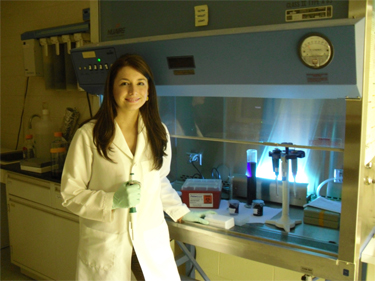
Recent UGA Neuroscience PhD program graduate Emily Baker, working with Frank West, associate professor in College of Agricultural and Environmental Sciences have changes the paradigm in stroke research by presenting a viable alternative to rats in stroke research.
Due to the pig’s distinct anatomical and physiological similarities Baker and West show that using their new model their, “findings are likely to be more clinically relevant.” According to the RBC research team, almost all clinical trails of neuroprotective therapies have failed to translate from the laboratory to the clinic. This dynamic shift from rat to pig model may speed stroke discoveries because it provides a better, more predictive translational model.
To find out more about Baker and West’s work in the full article on UGA Today.
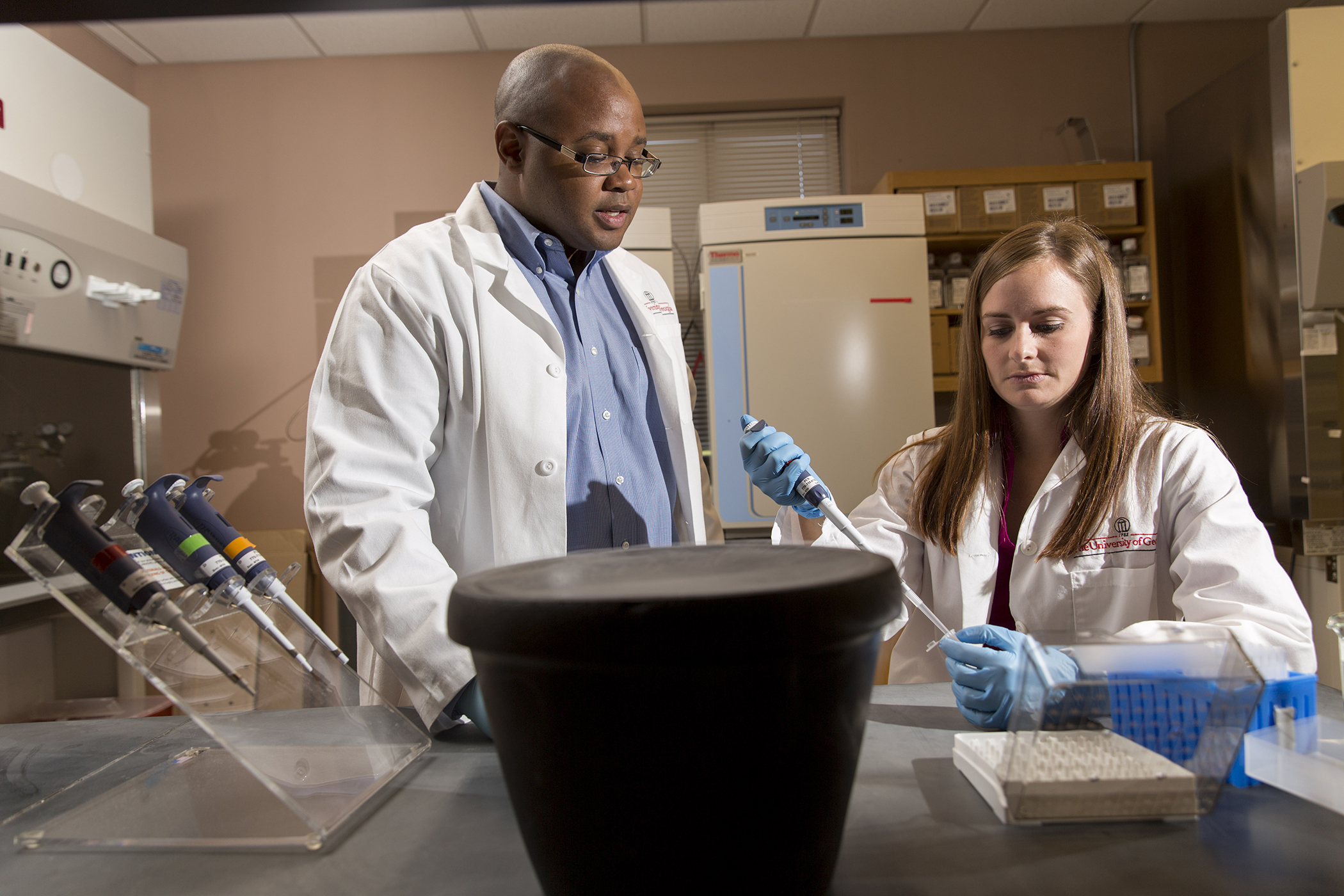
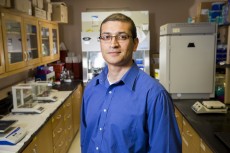 Researchers at the University of Georgia’s Regenerative Bioscience Center have developed Brain Glue, a substance that could one day serve as a treatment for traumatic brain injuries, or TBIs. Lohitash Karumbaiah, assistant professor in UGA’s College of Agricultural and Environmental Sciences, led the team that designed and created Brain Glue. The main difference between Brain Glue and other synthetic hydrogels, according to the team, is the variety of possibilities to trap neural stem cells, improve integration and reduce the likelihood of rejection.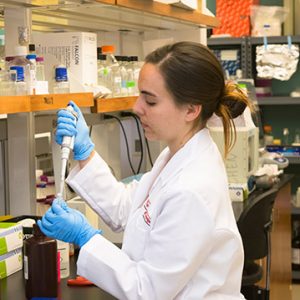
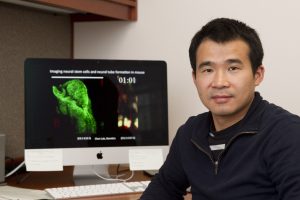

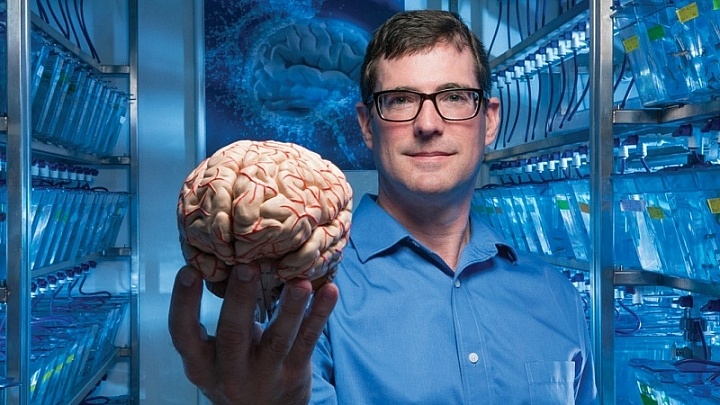


 postdoctoral fellows as well as research scientists working with human and animal models.